
Do Wisdom Teeth Always Need to Be Removed?
Do Wisdom Teeth Always Need Removal?
Wisdom teeth are a common area of concern for teenagers and young adults. Almost everyone knows someone who has undergone the procedure to have them taken out. You might wonder if this surgery is a rite of passage that everyone must go through. The short answer is no, not everyone needs their wisdom teeth removed, but it is quite a common necessity. While some people live their whole lives with these extra molars without issue, many others face significant dental problems if they stay in place. Trust the team at Austin Surgical Care to support patients in Central Texas with wisdom teeth removal, impacted wisdom teeth, and more.
What Are Wisdom Teeth?
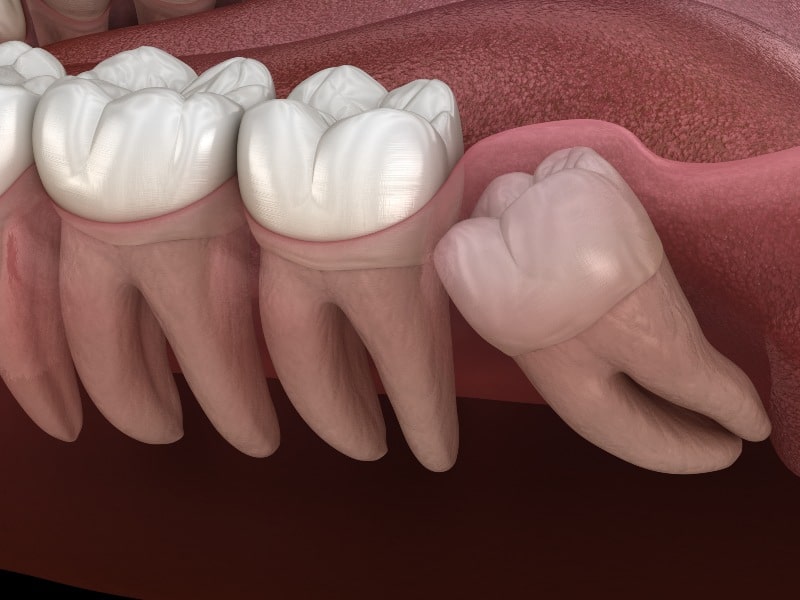
Wisdom teeth, more officially known as third molars, are the final set of teeth to develop. They usually appear between the ages of 17 and 25. Anthropologists believe these teeth were necessary for our ancestors, whose larger jaws and tougher diets of roots and raw meat made wisdom teeth crucial. Today, however, our jaws have become smaller, and our diets are less rough. This evolution means that for many people, there isn’t enough room in the mouth to accommodate four extra molars. When these teeth try to squeeze into a jaw that lacks space, they often become impacted. An impacted tooth cannot fully break through the gum line because it is blocked by other teeth or bone. Even if they do manage to erupt, they are located so far back in the mouth that keeping them clean is incredibly difficult. This difficulty in hygiene often leads to cavities or gum issues that affect the overall health of your mouth.
When Is Wisdom Tooth Extraction Necessary?
While some lucky individuals have enough space for healthy third molars, an oral surgeon in Austin, TX, will frequently recommend wisdom teeth removal to preserve your oral health. Your doctor will use X-rays and a clinical exam to see how the teeth are developing. Here are the most common reasons removal becomes necessary:
- Impaction: This is the most frequent reason for removal. When a wisdom tooth is impacted, it is trapped within the jawbone or gums. This can be painful and may damage the roots of nearby teeth.
- Overcrowding: As wisdom teeth push their way in, they can shove existing teeth out of their proper position. This movement can ruin years of orthodontic work, causing straight smiles to become crooked again.
- Pain and Infection: Partially erupted teeth can create a loose area of gum tissue that traps food particles and bacteria. This can lead to a painful infection called pericoronitis, which requires immediate treatment for wisdom teeth swelling.
- Cysts or Tumors: In rare cases, a fluid-filled sac called a cyst forms around an untreated wisdom tooth. This can damage the jawbone, nerves, and adjacent teeth. Tumors can also develop, requiring surgery to remove tissue and bone.
Potential Complications of Keeping Wisdom Teeth
Choosing to ignore the advice of a board-certified surgeon can lead to much bigger problems down the road. You might think that if your wisdom teeth aren’t hurting right now, they are fine. However, wisdom teeth are unpredictable, and issues often develop silently before pain signals a problem. Delaying a recommended wisdom tooth extraction can lead to other health problems down the line, including:
- Root Resorption: The pressure from an impacted wisdom tooth can dissolve the roots of the molar next to it. This can lead to the loss of a healthy tooth.
- Systemic Health Issues: Bacteria around a wisdom tooth can enter your bloodstream. This may contribute to wider health problems in the body.
- TMJ and Jaw Pain: Misaligned wisdom teeth can strain your jaw joint and potentially cause TMJ discomfort.
- Chronic Gum Disease: The area around wisdom teeth is difficult to keep clean. This can cause persistent gum inflammation and disease that is hard to manage.
How Does Age Impact Wisdom Tooth Removal and Recovery?
Timing plays a massive role in the success and ease of wisdom teeth removal. Most oral surgeons agree that the ideal time for evaluation and removal is during the late teens or early twenties. At this stage of development, the roots of the wisdom teeth are not fully formed. They are shorter and less anchored in the jawbone. Furthermore, the bone surrounding the teeth is less dense in younger patients, making the extraction process less invasive and faster. Recovery is also significantly easier for younger patients. Their bodies heal faster, and the risk of complications, such as nerve injury, is lower. For older adults, the procedure is still very safe, but the recovery period may be longer. The roots are fully established, and the bone is harder, which can make the surgery slightly more complex. This is why parents are encouraged to have their children evaluated sooner rather than later.
Schedule Your Consultation Today
Not every wisdom tooth requires removal, but every patient deserves a professional evaluation to know for sure. Ignoring these molars can lead to pain, infection, and damage to your smile. By seeing our board-certified specialists, you can get a clear picture of your oral health. If you live in Cedar Park, Temple, or anywhere in the Central Texas region, reliable care is nearby. Contact Austin Oral Surgery today to arrange your consultation.