
Best Foods to Eat After Oral Surgery (And What to Avoid)
What Are The Best Foods After Oral Surgery?
Recovering from oral surgery requires patience and rest. Your body does a lot of work behind the scenes to heal your gums and jaw. What you put on your plate plays a huge role in how fast you feel like yourself again. Proper nutrition helps reduce swelling and minimizes the risk of complications. Creating your post-op meal plan before your appointment can save you stress later. Knowing the best foods after oral surgery can make the recovery process more comfortable for patients choosing Austin Oral Surgery in central Texas.
Gentle Foods To Speed Up Recovery
Your mouth will be sensitive in the days following your procedure. Chewing hard or chewy items might cause discomfort or damage the surgical site. Sticking to a soft foods diet helps you stay nourished without adding stress to your jaw. Consider these foods for a smoother recovery:
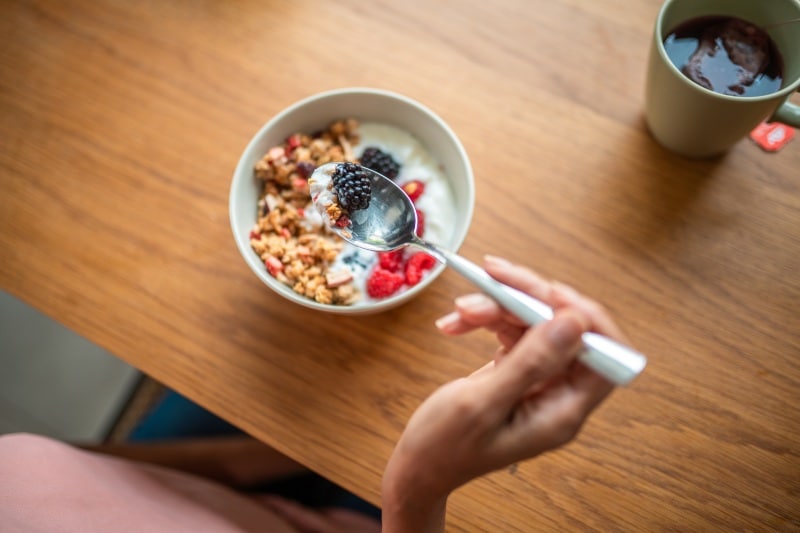
- Yogurt: This creamy snack is easy to swallow and requires no chewing. It is often packed with protein and probiotics, which can help your recovery. Avoid varieties with added granola or fruit chunks.
- Smoothies: Blended drinks are an excellent way to get vitamins and minerals. You can add fruits, vegetables, and protein powder to stay full. Remember to drink them directly from a cup rather than using a straw.
- Mashed Potatoes: This classic comfort food is soft and filling, and provides the necessary calories to keep your energy up. Make sure the potatoes are smooth and not too hot, as extreme heat can irritate wounds.
- Scrambled Eggs: Eggs are fantastic as a source of protein. When scrambled, they become soft and fluffy, making them safe to eat and requiring relatively little chewing effort.
- Soups and Broths: Warm soups offer hydration and nutrition. Broth-based soups or smooth cream soups are ideal. Be sure to wait for them to cool down to a lukewarm temperature before eating them to avoid unnecessary pain and sensitivity.
Foods To Steer Clear Of While Healing
While you focus on soft foods for healing, there are certain items you should skip completely for a few days or even weeks. Some textures and flavors can irritate incisions or get stuck in the wound, leading to infection or pain. Hold off on these foods until your recovery is complete:
- Crunchy Snacks: Chips, popcorn, nuts, and seeds can poke your gums and cause injury to the surgical site. The small pieces can easily lodge into areas that will disrupt your healing.
- Spicy Foods: Hot sauces, peppers, and heavy spices can cause a stinging sensation in open wounds. They generally cause unnecessary irritation during an already sensitive time.
- Citrus Fruits: Oranges, lemons, and grapefruits are highly acidic. The acid can sting the wound and delay tissue repair. Stick to non-acidic fruit options like bananas or melons instead.
- Alcohol: You should avoid alcoholic beverages while you are healing, especially if you are taking pain medication. Alcohol can thin your blood, as well as interfere with the clotting process.
The Importance Of Staying Hydrated
Water is your best friend during recovery. Keeping your body hydrated helps flush out toxins and keeps your tissues moist, which aids in healing. Dehydration can lead to fatigue and headaches, making you feel worse. Aim to drink plenty of water throughout your day to ensure hydration. Clear fluids like apple juice or mild herbal teas are also good choices. A critical rule to remember is to avoid straws entirely. The suction motion created when using a straw can dislodge the blood clot that forms in the socket. This condition is known as dry socket, and it can be quite uncomfortable, requiring additional treatment.
Practical Nutrition Tips For A Smooth Recovery
Preparation is key to a stress-free recovery. If you stock your kitchen ahead of time, you won’t have to worry about running to the store when you should be resting. Residents from Lakeway to Georgetown can benefit from these tips:
- Meal Prep in Advance: Cook and mash sweet potatoes or make a large batch of soup before your appointment. Having ready-to-eat meals in the fridge allows you to relax immediately after returning home.
- Blend Your Nutrients: If you struggle to eat enough, try drinking your calories. Use a blender to combine spinach, bananas, and yogurt. This gives you a nutrient boost without the need to chew.
- Eat Smaller, Frequent Meals: A heavy meal might feel overwhelming right after anesthesia. Try eating smaller portions five or six times a day to keep your energy steady without putting undue strain on your jaw.
- Prioritize Protein: Protein is essential for repairing gum and dental tissue. Incorporate protein shakes, soft tofu, or cottage cheese into your diet to support your body’s rebuilding efforts.
Visit Your Partner In Oral Health Recovery Today
A well-planned diet makes a significant difference in how you feel after your procedure. Whether you are in San Marcos, Marble Falls, or right here in Austin, taking care of your nutrition is a vital part of your post-operative care. With 12 locations and 50 years of service, our board-certified surgeons are ready to help you restore your oral health. Contact Austin Oral Surgery today to schedule your consultation.