
Dental Implants vs. Bridges: Which Is Right for You?
Dental Implants vs. Bridges: Which is Right for You?
Choosing between tooth replacement options often feels overwhelming. When you lose a tooth, you want a solution that restores your smile and function without causing future headaches. The decision between implants vs bridges is a common one for patients in central Texas seeking care at Austin Oral Surgery. Both methods effectively replace missing teeth, but they work in quite different ways. Understanding the pros and cons of these dental care solutions will help you make a confident decision about your oral health.
What Are Dental Implants?
A dental implant is a robust, long-term solution for replacing a missing tooth. It involves a titanium post that a surgeon surgically places directly into your jawbone. This post is designed to act like an artificial tooth root. Over time, the bone heals around the post, securing it firmly in place. Once healed, a custom-made crown is then attached to the top, completing the restoration. These pros and cons are worth keeping in mind when it comes to dental implants:
- Pro: Lifetime Durability: Implants are designed to last a lifetime with proper care.
- Pro: Jawbone Support: They stimulate the jawbone and will help in preventing the bone loss that typically occurs after a tooth extraction.
- Pro: Excellent Look: The result feels and looks incredibly natural, functioning just like your original tooth.
- Pro: Focused Care: Implants stand alone and do not require altering or damaging adjacent healthy teeth.
- Con: Initial Cost: The upfront cost is generally higher than that of other options.
- Con: Recovery Time: The process takes longer, requiring a healing period of several months before the final crown is placed.
- Con: Oral Surgery: Implants require a surgical procedure, unlike less invasive options for your teeth.
What Are Dental Bridges?
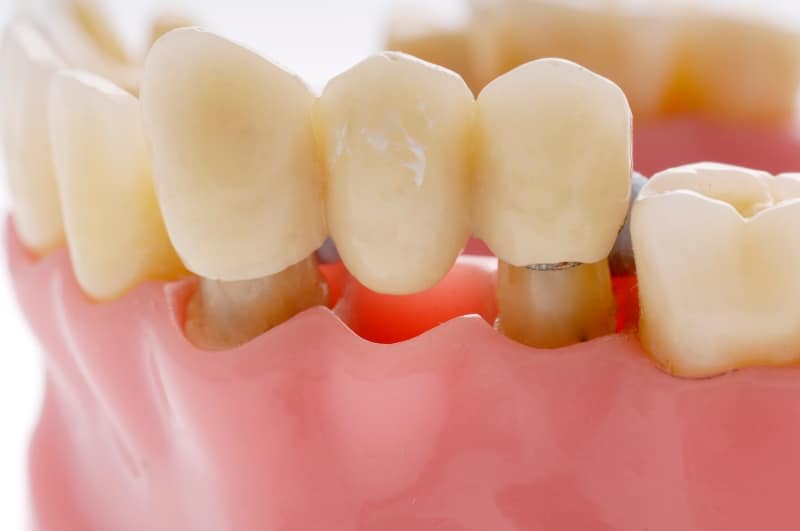
A dental bridge, as the name describes, “bridges” the gap created by one or more missing teeth. The bridge consists of a false tooth (called a pontic) that is held in place by dental crowns, which are cemented onto the existing teeth on either side of the gap. These anchoring teeth, called abutment teeth, must be filed down to fit the crowns properly. Bridges have their pros and cons but are by no means a poor choice for your teeth. Consider these aspects:
- Pro: Lower Initial Cost: The initial cost is typically lower than that of dental implants.
- Pro: Quick Install Time: The procedure is quicker, often completed in just a few weeks.
- Pro: Avoid Oral Surgery: It is a non-surgical process, which appeals to patients wanting to avoid surgery.
- Con: Weakened Enamel: Healthy enamel must be removed from adjacent teeth to accommodate the crowns, which can weaken them over time.
- Con: Durability: Bridges have a shorter lifespan, usually needing replacement every 10 to 15 years.
- Con: More Challenging Care: Hygiene is more difficult, as you need to thread floss under the false tooth to clean it correctly.
- Con: Less Jaw Support: Bridges do not stimulate the underlying bone, which can lead to jawbone resorption over time.
Head-to-Head Comparison of Implants vs. Bridges
When weighing your options, several key factors differentiate these two popular treatments. For residents in central Texas, here’s our breakdown for you to compare them directly:
- Durability & Longevity: Dental implants are a permanent solution, often lasting a lifetime, whereas bridges typically require replacement after a decade or so.
- Overall Cost: While implants have a higher initial price tag, they often prove more cost-effective over a lifetime since they rarely need replacement.
- Aesthetics: Implants emerge from the gum line just like a natural tooth, offering a superior aesthetic compared to bridges, which sit on top of the gums.
- Oral Health Impact: Implants preserve jawbone density and protect neighboring teeth; bridges require the permanent alteration of healthy adjacent teeth.
- Recovery & Procedure Time: Bridges offer a faster turnaround time, while implants require a recovery period for osseointegration (bone fusing with the implant). Post-op care is critical for both solutions.
Making the Best Choice for Your Smile in Austin
The right choice for your smile depends on your specific priorities, health history, and long-term goals. If preserving your jawbone and protecting adjacent teeth are your top priorities, implants are often the superior choice. However, if you prefer a non-surgical option or require a faster solution, a bridge may be a better fit for your needs. Implants require patience during the healing phase, but the payoff is a permanent restoration. In contrast, bridges come with long-term maintenance requirements. Our board-certified surgeons have spent over 50 years helping patients in Pflugerville, Temple, and beyond navigate these choices. We assess your unique anatomy and discuss all relevant factors to ensure you feel comfortable with your plan.
Schedule Your Consultation With Austin Oral Surgery Today
Don’t let a missing tooth compromise your confidence or oral health. Consulting with an expert is the best way to determine the right path forward. Whether you are in Temple, La Grange, or South Austin, our team is ready to guide you. Take the first step toward a complete smile. Contact Austin Oral Surgery today to schedule your consultation.