
Preparing for Wisdom Teeth Removal: What to Expect Before, During, and After Surgery
How to Prepare for Wisdom Teeth Removal in Central Texas?
Wisdom teeth extraction is a common milestone for many teenagers and young adults. While the thought of oral surgery often causes anxiety for both patients and their parents, planning ahead significantly improves the experience. A clear plan reduces stress and sets the stage for a quick recovery. We want you to feel confident about how to prepare for wisdom teeth removal in Central Texas when you’re with Austin Oral Surgery.
Preparation for Before Your Procedure
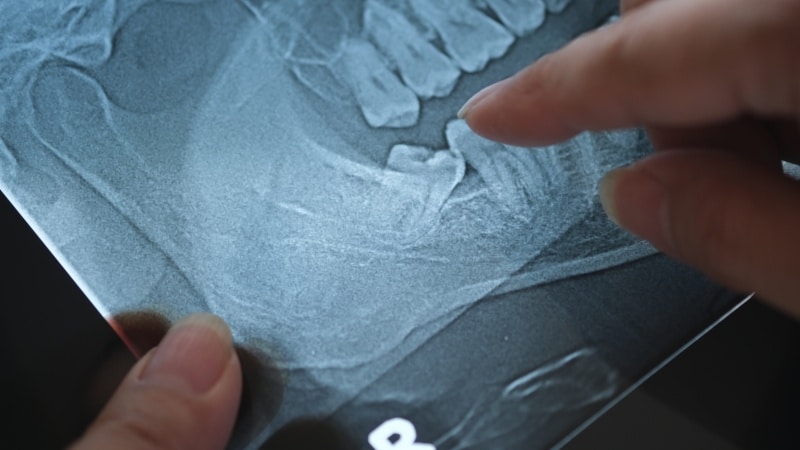
Your path to a healthier smile begins with a consultation appointment. You will meet with a board-certified oral surgeon to review X-rays and discuss your wisdom teeth removal needs. This meeting is the perfect time to ask questions about the surgery or the recovery process. The doctor will evaluate the position of your wisdom teeth to determine the best surgical approach. Getting ready for the big day involves a few practical steps at home as well:
- Arrange for a Ride: You must have a responsible adult drive you home because the anesthesia will make you groggy.
- Shop Ahead of Time: Go to your local store to stock up on soft foods like yogurt, pudding, and soup.
- Medical History: Tell your doctor about any health conditions or medications you take daily.
- Fasting Rules: Follow the fasting instructions provided by your surgeon strictly to ensure your safety during sedation.
What to Expect During the Procedure
Many patients worry most about the actual surgery day, but our team prioritizes your comfort. Your surgeon will discuss the available options in sedation for oral surgery during your initial consultation. Choices often include local anesthesia to numb the area, IV sedation, or nitrous oxide for a deeper sleep state. The right choice depends on the complexity of your case and your personal comfort level. Once the sedation takes effect, the oral surgeon carefully removes the wisdom teeth. They work efficiently to limit any impact on the surrounding gum tissue and jawbone. The goal is a clean extraction that sets the stage for a quick recovery.
Aftercare Recovery Made Simple
The surgery is done, and now the focus shifts to healing comfortably at home. The first few hours matter the most for a good outcome. Rest is the most important task you have right now. Follow these steps for your care immediately after your surgery:
- Resting and Recovery: You might feel a bit groggy, so have your driver take you straight home to rest. Keep your head propped up on pillows to help with blood flow and reduce initial swelling.
- Minimizing Activity: Avoid exercise and heavy lifting for at least 24 hours. Bite down gently on gauze pads to stop bleeding and apply ice packs to your cheeks to manage wisdom teeth swelling and pain.
- Diet & Hydration: Eat only soft foods, such as applesauce, mashed potatoes, and cool broths. Do not use drinking straws because the suction can dislodge the clotting blood and cause a condition called dry socket.
- Pain Management: Take any prescribed medications exactly as directed to stay ahead of discomfort and keep the surgical sites clean.
A Typical Timeline for Healing
Healing happens in stages, and everyone moves at their own pace. Knowing the general schedule helps you track progress and spot potential issues early. Be patient with your body as it repairs tissue; it will take some time. Understanding this timeline helps to plan for your impending recovery:
- Days 1-3: You will likely see some swelling and feel mild discomfort right after the anesthesia wears off. This is usually the peak time for symptoms, so your only job right now is to rest.
- Days 4-7: The swelling should start to go down, and your jaw stiffness will improve, allowing you to eat more solid foods. You might still feel some tenderness around the extraction sites, but most day-to-day activities can continue.
- Days 7+: Your gums will likely have fully healed at this point, but be sure to reach out to your dentist if recovery has been slower than expected.
Tips To Support a Smooth Recovery
Small habits make a substantial difference in how fast you bounce back after surgery. We want you back to your everyday life as soon as possible. Post-op oral surgery care is vital for avoiding complications like dry sockets or infections, so follow these tips:
- No Smoking: Do not smoke or drink alcohol during your recovery period. These habits can slow down your healing and increase the risk of complications.
- Gentle Hygiene: Keep your mouth clean but be gentle, and do not rinse vigorously for the first day. After that, use warm salt water to wash the area gently.
- Watch for Signs: Call your oral surgeon immediately if you have a fever, heavy bleeding that won’t stop, or severe pain that medication does not help.
Schedule Your Wisdom Teeth Removal Today
Finding the proper care for your family is a priority. We have served the community for over 50 years with a legacy of exceptional service. Our board-certified surgeons operate across 12 locations, including Temple and Dripping Springs. Do not wait until the teeth cause pain or crowding issues. Contact us today to schedule your consultation for a stress-free experience with wisdom teeth removal.