
Understanding TMJ Pain: Causes, Treatment & When to See a Specialist
Austin, TX’s Trust TMJ Pain Treatment Specialists
Your jaw is an integral part of your face, controlling your chewing, speech, and other facial activities. The muscles and joints are very strong from constant use, but they’re also prone to pain and damage from various causes, including gum chewing and nail biting. Austin Oral Surgery is well-versed in all the causes, symptoms, and treatment options for temporomandibular joint (TMJ) disorder. We offer surgical solutions to this agonizing problem, and we can advise you on non-surgical options to manage it. If your TMJ is affecting your daily life, including meals, conversations, and even smiling, it may be time to reach out to our seasoned surgical team for help. We’ll gladly find the best treatment option and provide helpful information about TMJ, starting with the content on this page.
What Can Cause TMJ Disorder?
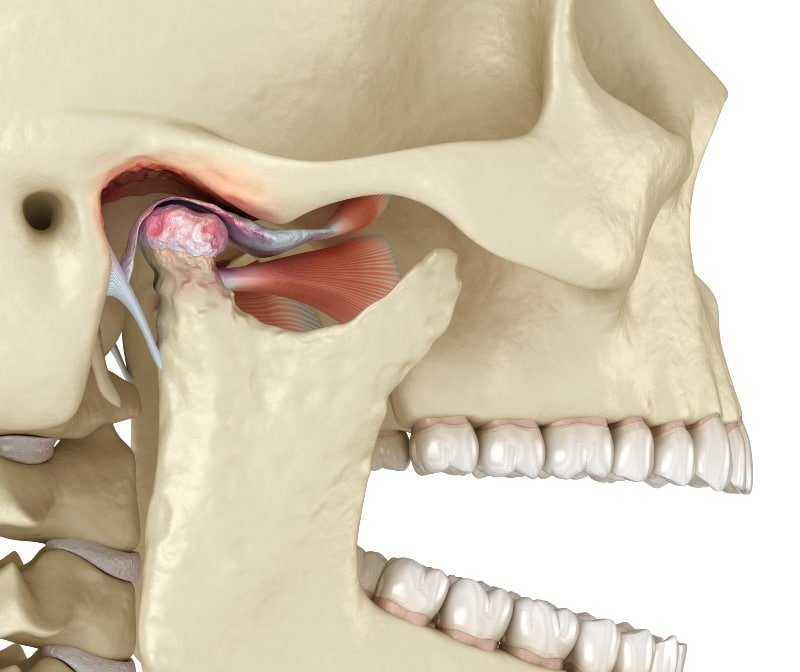
Temporomandibular joint (TMJ) disorder is a condition affecting the jaw joint and surrounding muscles, often leading to pain, stiffness, and difficulty in jaw movement. This disorder is surprisingly common, with millions of people experiencing TMJ-related symptoms at some point in their lives. It can affect individuals of all ages, and in some cases, it may significantly impact various daily activities, such as chewing, speaking, or even yawning. Some common causes of TMJ disorder include the following:
- Teeth Grinding or Clenching (Bruxism) – This habit places excessive pressure on the jaw joint.
- Jaw Injuries – Trauma or impact to the jaw can disrupt the joint’s function.
- Arthritis – Conditions such as osteoarthritis or rheumatoid arthritis can affect the joint.
- Stress-Induced Tension – Emotional stress can lead to muscle tightness around the jaw.
- Improper Bite Alignment – Misaligned teeth can cause uneven jaw stress.
- Connective Tissue Disorders – Certain disorders may directly impact joint function.
What Symptoms Indicate I May Have TMJ Disorder?
Spotting the symptoms of TMJ disorder early is crucial for addressing the issue promptly and seeking effective treatment options from experienced dental professionals like Austin Oral Surgery. Identifying this condition in its initial stages allows for timely interventions that can prevent it from worsening and help restore comfort and function to your jaw. Professional treatment, combined with strategies to manage the disorder, can significantly reduce or even eliminate the pain and discomfort, helping you return to your normal daily activities without suffering pain, stiffness, and other issues. Our surgical team can provide valuable insight into this disorder and how to identify it by recognizing one or more symptoms, such as the following:
- Jaw pain or tenderness
- Pain in either or both of your temporomandibular joints
- Aching pain located around or in your ear
- Experiencing pain or difficulty while chewing
- Aching facial pain
- Your joint locking, making opening or closing your mouth difficult
- Eye pain
- Neck pain
- Headache
- Tooth pain coinciding with a tender jaw
Austin Oral Surgery’s TMJ Treatment Options for Jaw Pain Relief
When conservative treatments like appliance or physical therapy haven’t brought relief, patients often turn to Austin Oral Surgery to explore surgical options. Before considering surgery, our team conducts a comprehensive examination to create a personalized treatment plan. The good news is that most individuals with TMJ disorders find relief through non-surgical methods. Our approach typically starts with conservative strategies to manage symptoms. Only when these non-invasive options have been fully explored and significant pain persists do we begin to discuss the possibility of TMJ surgery. The following are some common non-surgical treatments we may recommend to help you mitigate or manage your TMJ condition:
- Medication – Using muscle relaxants or anti-inflammatory drugs to reduce pain and swelling.
- Targeted Exercises – Performing specific jaw-stretching and strengthening exercises to improve mobility.
- Dietary Adjustments – Adopting a soft-food diet temporarily to minimize stress on the jaw joint.
Schedule a Consultation Today at One of Our Offices
Austin Oral Surgery proudly serves Central Texas patients with a wide selection of oral and maxillofacial conditions. We have convenient office locations in Austin, La Grange, Georgetown, Dripping Springs, Pflugerville, and many other communities to make seeking surgical solutions for oral concerns easier. If you experience any symptoms of TMY disorder, don’t hesitate to work with a dental professional like us to determine the best treatment options. We’ll guide you through non-surgical treatment options before deciding if surgery is necessary. Reach out to us today for more information about our TMJ services or to schedule a consultation with our surgical team.